
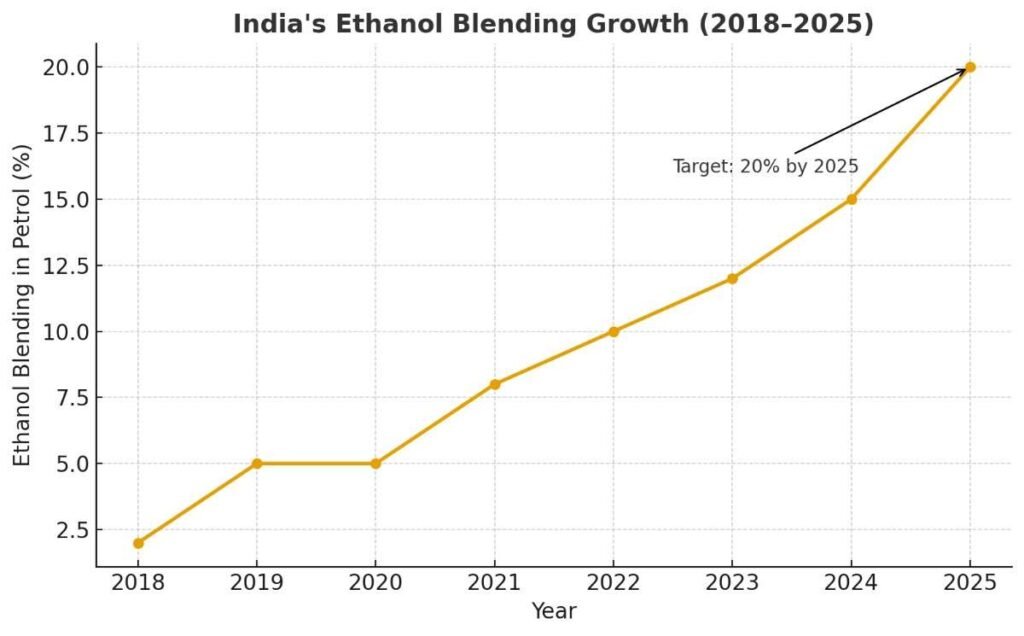
India is at the forefront of shifting towards cleaner fuels. Ethanol, produced from grain, molasses, or advanced biofuels, is one of the biggest drivers of this transition. The government has set an ambitious target of 20% ethanol blending in petrol by 2026, which means more ethanol plants are being set up than ever before.
But here’s the catch: before you can run your distillery or supply to Oil Marketing Companies (OMCs), your machinery and equipment must comply with Bureau of Indian Standards (BIS) certification. This certification isn’t just paperwork—it proves your ethanol plant is safe, reliable, and fit for the market.
For ethanol projects, BIS certification does more than tick a compliance box. It’s your gateway to market entry, financing, and credibility.
Think about it this way—when banks, investors, or OMCs look at your project, they want assurance that your equipment meets national safety and performance standards. BIS certification provides that stamp of trust.
In short, no BIS certificate = no ethanol business at scale.
Getting BIS certification for ethanol plants may feel complex, but the process can be smooth with the right guidance. Here’s how it works:
Quick Checklist for Plant Owners:
With all this in place, the process is quicker and more predictable.
A common challenge plant owners face is incomplete documentation. Submitting everything upfront helps avoid delays. You’ll typically need:
One of the first questions ethanol promoters ask is: How much will it cost and how long will it take?
Renewal: Once granted, your BIS license is valid for two years and must be renewed before expiry.
| Type of Ethanol Plant | BIS Scope | Other Approvals Needed | Typical Cost | Timeline |
|---|---|---|---|---|
| Molasses-based | Boilers, storage tanks, ETP units | BIS + Excise + CPCB | ₹100–150 Cr | 12–18 months |
| Grain-based | Distillery equipment, grain storage & dryers | BIS + FSSAI + Excise | ₹120–180 Cr | 12–24 months |
| 2G Ethanol (Biofuel) | Advanced fermentation & biofuel equipment | BIS + MoEFCC + CPCB | ₹300–400 Cr | 24–36 months |
This shows that while BIS is non-negotiable across all plant types, the cost and compliance workload differ depending on your feedstock.
Let’s take a real example.
In 2023, a well-known grain mill in Uttar Pradesh invested ₹150 Crore to set up a 60 KLPD ethanol unit. They went through the BIS certification process for boilers, distillation columns, and storage equipment.
Because the plant was BIS-compliant, it easily secured long-term contracts with Oil Marketing Companies under the government’s Ethanol Blending Program. The result? The project reached payback within just 4 years—proving that BIS certification isn’t a hurdle, but a business enabler.
Despite its importance, many ethanol promoters face challenges with BIS:
The good news? With the right consultant, these hurdles can be navigated efficiently.
At Green Permits, we understand how time-sensitive ethanol projects are. Every month lost to compliance delays means missed contracts and higher costs. That’s why our BIS support goes beyond paperwork—we work as your compliance partner.
Need BIS certification for your ethanol project? Write to us at wecare@greenpermits.in or call +91-78350 06182 for step-by-step support.
Yes, BIS is required for all key equipment to ensure compliance with Indian standards.
The base application fee is around ₹10,000–₹15,000, plus lab testing and inspection charges.
On average, 3–6 months, depending on documentation readiness and lab timelines.
Yes, but it must go through BIS approval or the Foreign Manufacturers Certification Scheme (FMCS).
Absolutely—banks and government agencies prefer BIS-compliant projects.
With India’s ethanol sector scaling up to meet 20% blending by 2025, BIS certification has become a must-have license for ethanol plants. It ensures compliance, builds credibility, and opens doors to finance and OMC contracts.
At the end of the day, BIS isn’t just about paperwork—it’s about proving your ethanol plant is future-ready.
Contact Green Permits today for complete BIS certification support for your ethanol project. Email us at wecare@greenpermits.in or call +91-78350 06182 to get started.