
Maharashtra has emerged as one of India’s most promising locations for tyre waste recycling due to its vehicle density, industrial clusters, strong transport networks, and increasing regulatory focus on sustainable waste management. Businesses exploring tyre recycling — whether shredding, crumb rubber production or pyrolysis — can benefit from steady raw material availability and strong buyer markets across the state.
Tyre Waste Recycling Plant Setup in MaharashtraThis guide explains the approvals, machinery, investment, operational requirements, incentives, and environmental norms for setting up a tyre recycling plant in Maharashtra.
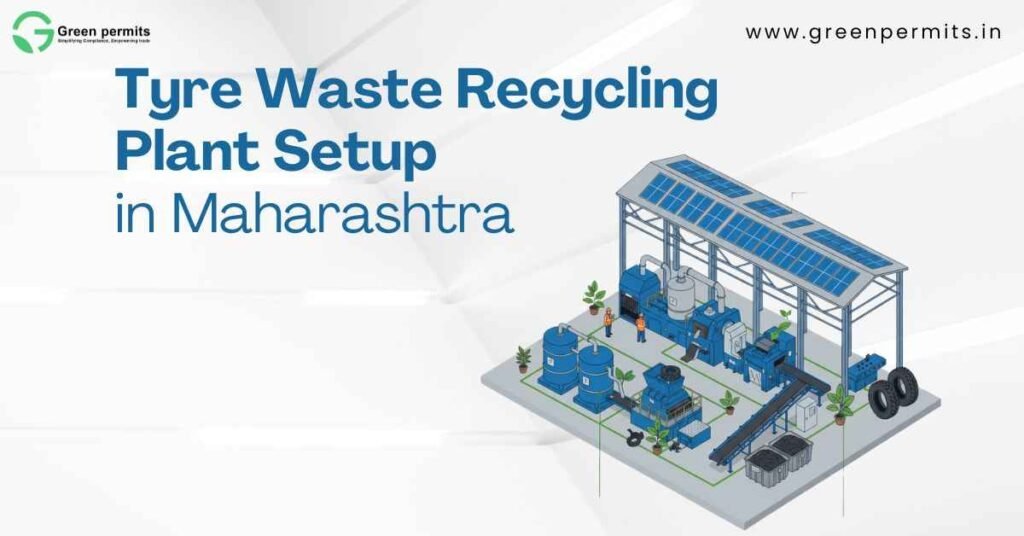
Maharashtra generates a significant share of India’s waste tyres because of its large and diverse vehicle population, extensive interstate logistics routes, and large-scale fleet operators. Commercial transport, industrial clusters, two-wheeler density in urban pockets, and the Mumbai–Pune expressway contribute to continuous tyre disposal.
For recyclers, this translates into consistent year-round supply for plants ranging from 3–20 TPD capacity.
MIDC regions are preferred for tyre waste recycling units due to streamlined approvals, infrastructure readiness, and lower compliance hurdles compared to non-industrial locations.
Each region offers specific business advantages depending on the recycling method chosen.
Being located within an MIDC estate improves compliance approvals, reduces logistics costs, and enhances the plant’s operational stability.
A tyre recycling plant relies heavily on continuous access to End-of-Life Tyres (ELTs). Maharashtra’s diverse industrial and mobility ecosystem ensures reliable sourcing channels.
When recyclers secure stable sourcing partnerships, transportation costs reduce, procurement becomes predictable, and monthly processing targets are easier to maintain.
Setting up a tyre recycling plant in Maharashtra requires compliance with environmental, safety and operational regulations. Ensuring proper approvals prevents shutdowns, penalties, and operational delays.
A compliant facility builds trust with suppliers, buyers, and regulators — ensuring uninterrupted operations.
Different recycling models require different machinery and environmental control systems. Entrepreneurs must choose based on market demand, pollution norms, and available investment.
A shredding-based facility focuses on reducing tyres into chips or granules used in cement kilns and industrial boilers.
Machinery Components:
Crumb rubber is used in footwear, sports surfaces, rubber tiles, molded products, and modified bitumen for roads.
Machinery Components:
Pyrolysis involves controlled thermal decomposition of waste tyres into fuel oil, gas, and carbon black.
Machinery Components:
Pyrolysis units require strict emissions management and are closely monitored by MPCB. Choosing efficient scrubbers and adhering to online monitoring norms is essential.
Business owners planning a recycling plant must budget for land, machinery, utilities, manpower and compliance systems.
| Category | 5 TPD Plant | 10 TPD Plant | 20 TPD Plant |
|---|---|---|---|
| Land Area | 10,000–15,000 sq ft | 20,000–30,000 sq ft | 40,000+ sq ft |
| Machinery | ₹65–90 lakh | ₹1.2–1.8 crore | ₹2.5–3.8 crore |
| Pollution Control | ₹10–25 lakh | ₹25–40 lakh | ₹50–75 lakh |
| Setup, civil & electrical | ₹20–35 lakh | ₹40–55 lakh | ₹75 lakh–1.2 crore |
| Total Estimated Cost | ₹1.0–1.5 crore | ₹2–3 crore | ₹4–6 crore |
A 10 TPD shredding plant offers the best balance between investment and operational feasibility for first-time investors.
| Expense Category | 5 TPD | 10 TPD | 20 TPD |
|---|---|---|---|
| Labor | ₹2–4 lakh | ₹4–6 lakh | ₹8–10 lakh |
| Electricity | ₹1–2 lakh | ₹2–4 lakh | ₹5–8 lakh |
| Tyre Procurement | ₹8–12 lakh | ₹15–25 lakh | ₹30–50 lakh |
| Maintenance | ₹1–3 lakh | ₹3–5 lakh | ₹5–8 lakh |
| Total OPEX | ₹12–20 lakh | ₹25–40 lakh | ₹50–80 lakh |
Most recyclers achieve break-even within 18–30 months depending on product mix and supply stability.
Maharashtra supports recycling and circular economy projects through subsidies and exemptions.
These incentives substantially reduce initial investment and improve long-term ROI.
The tyre recycling market in Maharashtra offers diverse buyer segments.
Multiple buyer categories reduce dependency on a single revenue stream.
Environmental protection is a mandatory aspect of tyre recycling operations in Maharashtra.
Aligning with MPCB norms helps avoid plant suspension, penalties, and ensures stable operations.
A well-planned setup timeline ensures quick commissioning and early market entry.
Most plants in Maharashtra take 5–7 months from land acquisition to full-scale operation.
Maharashtra provides a favourable environment for tyre recycling businesses through strong tyre waste generation, well-planned industrial zones, multiple buyer markets, and supportive state incentives. With proper compliance, machinery selection, and financial planning, a tyre recycling plant can become a highly sustainable and profitable venture in the state.
For assistance with plant setup, MPCB approvals, DPR preparation, or end-to-end compliance support:
📞 +91 78350 06182
📧 wecare@greenpermits.in
Book a Consultation with Green Permits