
In many parts of Uttar Pradesh, scrap tyres are no longer just a storage headache—they’re becoming a regulatory and operational concern. Transporters struggle to clear old tyres, municipal bodies receive complaints about open dumping, and industries are under pressure to show responsible waste handling.
For entrepreneurs and industrial investors, this creates a clear opportunity. Setting up a tyre waste recycling plant in Uttar Pradesh is not just about sustainability—it’s about solving a visible problem while building a long-term, compliance-driven business.
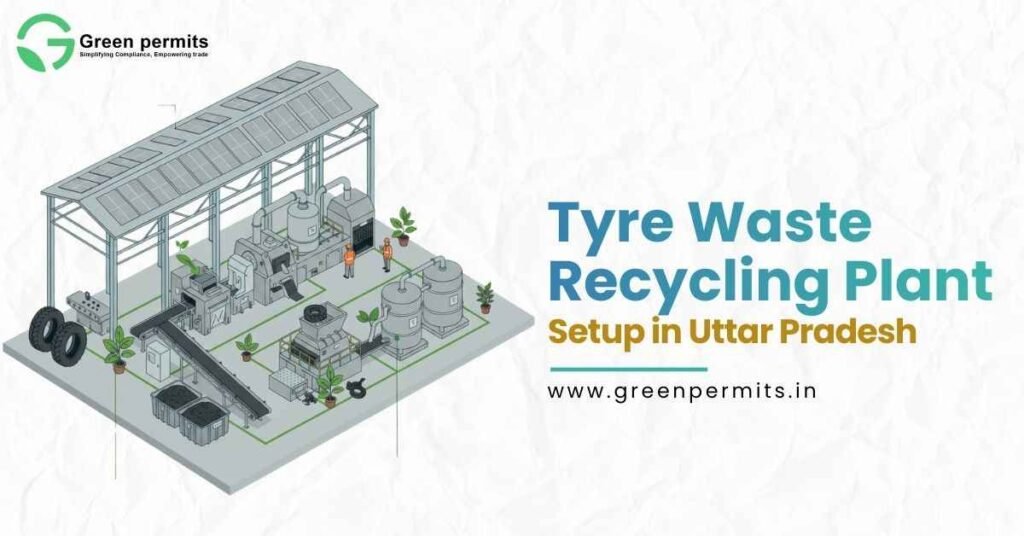
Uttar Pradesh’s scale itself drives tyre waste generation. The state has one of the largest road networks in India and supports heavy movement of goods across North, East, and Central India.
Key contributors to tyre waste generation include:
For recyclers, this means consistent raw material availability. Unlike smaller states where tyre sourcing becomes expensive, UP offers volume stability—critical for running 10 TPD and above plants profitably.
Choosing the right city can significantly reduce logistics cost and approval delays.
Noida & Greater Noida
Ideal for NCR connectivity, better infrastructure, and easier access to institutional buyers such as asphalt and construction companies.
Ghaziabad
A transport-heavy zone with constant tyre scrap generation from logistics parks and fleet operators.
Kanpur
Strong industrial ecosystem and central UP access, making it suitable for servicing multiple districts.
Lucknow
Growing construction demand and strategic location for statewide distribution.
From a compliance perspective, these cities also have better coordination with UPPCB regional offices.
One of the biggest risks in recycling businesses is raw material inconsistency. In UP, tyre recyclers typically rely on multiple sourcing channels to reduce dependency.
Common tyre waste sources include:
Many successful plants sign long-term pickup agreements with fleet operators, which helps stabilize monthly input volumes and pricing.
Tyre recycling falls under regulated waste activity. Running a unit without approvals can lead to immediate closure notices.
Mandatory approvals generally include:
From experience, most delays happen due to incorrect plant layouts or missing pollution control details during the CTE stage. Getting approvals right the first time saves months.
Investment varies widely depending on technology choice and automation level.
| Capacity | Estimated Investment | Suitable For |
|---|---|---|
| 5–10 TPD | ₹1.5–3 Crore | Entry-level shredding |
| 20–30 TPD | ₹5–8 Crore | Shredding + pyrolysis |
| 40–50 TPD | ₹10–15 Crore | Integrated large plants |
What this means for investors:
Lower-capacity units reduce compliance pressure, while larger units offer economies of scale but demand stricter emission and residue management.
Uttar Pradesh actively promotes recycling and circular economy projects under MSME and industrial policies.
Benefits commonly available include:
When combined properly, these incentives can shorten project payback periods significantly.
A tyre recycling plant is viable only when output sales are secured early.
Major buyer segments include:
Experienced recyclers often lock in buyers before commissioning, which helps stabilize cash flow from the first few months of operation.
Tyre recycling units attract close scrutiny due to emissions and residue handling.
Critical compliance areas include:
Plants that ignore these aspects often face CTO suspension or operational stoppages, sometimes within the first year.
A structured approach reduces risk and delays.
Typical setup flow:
Projects that integrate compliance planning at the design stage usually reach commissioning faster and with fewer regulatory objections.
Tyre waste recycling in Uttar Pradesh offers strong demand, reliable raw material, and government support. However, the business rewards those who treat compliance as a foundation, not a formality.
Delays, penalties, or redesigns due to regulatory gaps can quickly erode margins. Early planning, accurate documentation, and expert guidance make the difference between a stalled project and a stable green enterprise.
If you’re planning to set up a tyre waste recycling plant in Uttar Pradesh, our team can help with:
📞 +91 78350 06182
📧 wecare@greenpermits.in
Let’s make your recycling project compliant, profitable, and future-ready.